
DUPR
DUPRSports
4.1179.00 Reviews
- Version
- 1.9.51
- Installs
- 100.00K
- Age Rating
- Teen
Screenshots

Our Review of DUPR
 Analysis by Appyee
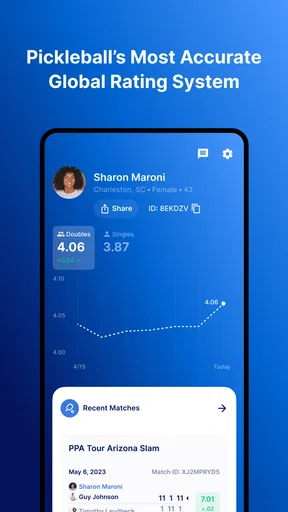
I first came across DUPR while looking for a way to make pickleball results more useful than a quick post-match recap. Its central idea is straightforward: record matches so your rating can reflect how you play. That can make it appealing if you regularly meet different partners or opponents and want a shared reference point for your level. It is less compelling if you only want a place to jot down casual scores and have no interest in a rating.
Where match reporting can get awkward
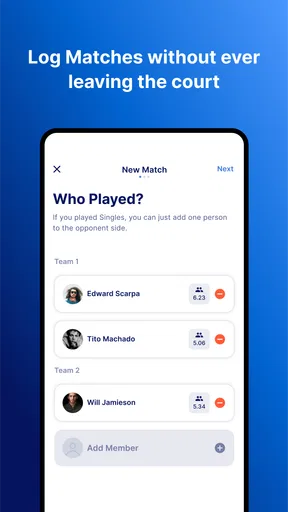
The most important habit is to think about the result before you leave the court. If players remember different scores, or nobody is sure who should record the match, the app cannot resolve that disagreement by itself. I’d agree with the other players on the final score first, then enter it while the details are fresh. That small routine is more useful than trying to reconstruct a close game later.
A rating also needs context. One match is a thin basis for judging a player, especially if the teams were uneven, someone was returning from a break, or the game was unusually casual. I would treat early movement as a developing picture rather than a verdict on ability. The app is at its best when match records accumulate through normal play, not when someone expects one result to define them.
Simple checks before relying on a result
Before submitting anything, check that you have the correct match and that the score reflects the result everyone agreed on. If other players are involved in confirming or recording it, make sure you are coordinating with the right people rather than assuming someone else has handled it. This is especially helpful after a busy session with several games, when scores can blur together.
Accurate records start at the court, not in the rating screen. A quick note of the teams and score on your phone can help if you need a moment before entering a result. I would avoid guessing at details just to finish quickly; it is better to check with the people who played. This is practical record-keeping, not a special app feature, but it prevents avoidable confusion.
Getting back on track after a missed entry
If you realize a match has not been recorded, first check your own match history and ask the people who played whether they entered it. That simple check can prevent duplicate reporting. If an entry appears incorrect, compare the score and participants with the group before taking further steps; a mistaken assumption can turn one missing result into a second problem.
For a technical hiccup, I would close and reopen the app, check that the phone has a working connection, and try again later if the service still does not respond. These are basic troubleshooting steps, not a guarantee that a particular issue will be fixed. Keeping the score outside the app until it is successfully recorded is a sensible backup, especially when the result matters to a group.
When the rating does not tell the whole story
A number can help organize competitive play, but it cannot capture every reason a match went one way. New partners, unfamiliar court conditions, fatigue, or a player trying a different strategy can all affect the result. I would use the rating as one useful reference when arranging games, not as a substitute for watching someone play or talking about the kind of match everyone wants.
This distinction matters for beginners, too. A new player may benefit from recording matches, but should not let a rating become a reason to avoid playing stronger opponents or learning at a comfortable pace. Likewise, experienced players who need detailed stroke-by-stroke coaching may prefer lessons, video analysis, or their own training notes. A match rating is useful for comparing results over time; it is not the same thing as a personal coach.
Who will get the most from it
I see the strongest fit for regular pickleball players who meet a rotating group and want a consistent way to document results. For example, if I played a few games after work with friends and then joined a weekend session with unfamiliar partners, keeping match records could give those games more continuity. It would also make it easier to discuss balanced pairings without relying only on memory or broad claims about who is strongest.
By contrast, someone who plays occasionally with the same small group may be perfectly happy with a shared note or a conversation after the game. That approach is quicker and has less setup. DUPR becomes more worthwhile when players actually use the record to understand their level or coordinate competitive play. If your group does not agree on reporting results, or you do not want a rating attached to your matches, the extra step may feel like needless administration.
What makes the approach different
Compared with a basic scorekeeping app or a paper notebook, DUPR is centered on a player rating built from match records. A notebook gives you flexibility and control over what you track, while a simple score log can be faster for a casual game. The trade-off is that neither necessarily gives your group the same shared rating reference. I would choose based on the outcome you want: a personal archive, quick scorekeeping, or a record intended to inform how players compare.
One useful practice is to keep your expectations modest while building a history. Record ordinary matches consistently instead of only entering dramatic wins or losses. Selective reporting can make your own picture less representative, even if it feels tempting to save only notable results. Another practical point is to settle the score with the group before everyone disperses; that is often easier than chasing confirmations later.
Discovering DUPR
First things first, what exactly is DUPR? It's a tennis performance tracking app that helps players of all levels understand their game better and improve over time. The app provides a range of features that are both informative and fun. I was curious to see if it lived up to the hype, so I decided to give it a whirl.
User-Friendly Interface
Right off the bat, I noticed how user-friendly the interface is. You don't need to be a tech wizard to navigate through the app. Everything is laid out clearly, and the design is sleek and modern. It's refreshing to see an app that doesn't bombard you with unnecessary information or complicated menus. Instead, it guides you smoothly from one feature to the next.
Track Your Performance
The core feature of DUPR is its ability to track your performance accurately. You can log your matches, scores, and even the kind of shots you play. I loved being able to see my stats over time. It breaks down your performance into digestible insights, helping you pinpoint areas that need improvement. It's like having a personal coach in your pocket.
Community and Challenges
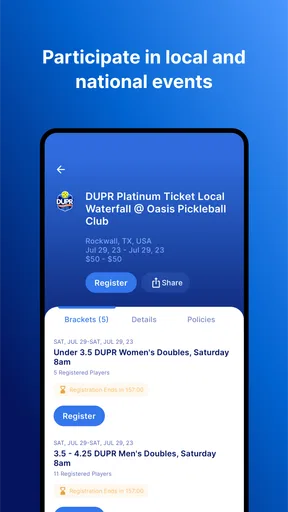
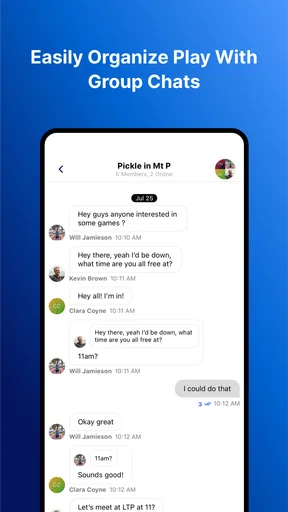
One pleasant surprise was the community aspect of the app. DUPR allows you to connect with other players, join challenges, and even participate in virtual tournaments. This feature is perfect for those who thrive on competition and love engaging with fellow tennis players. It adds a social element that makes improving your game even more fun.
Personalized Tips and Feedback
Another highlight is the personalized tips and feedback you receive based on your logged matches. The app analyzes your data and offers constructive advice tailored to your playing style. I found this incredibly helpful as it provided actionable steps I could take to enhance my skills on the court.
Improvement Over Time
One of the biggest questions I had was whether the app would genuinely help me improve over time. After using it consistently, I can say that it does. By regularly tracking my performance and following the app's recommendations, I noticed a tangible improvement in my game. It's satisfying to see your hard work pay off, and DUPR makes it easy to track that progress.
Compatibility and Accessibility
The app is available for both Android and iOS, which is always a plus. It runs smoothly on both platforms, and I experienced no glitches or crashes. It's great to see an app that performs well across different devices, making it accessible to a broader audience.
What to expect before installing
DUPR is a free sports app from developer DUPR, with optional in-app purchases priced from $1.99 to $34.99 per item. It is rated Teen, and the current version is 1.9.23, with Android 8.0 as the minimum operating system. I would start with the free experience and decide whether any paid option is relevant to how I play, rather than treating a purchase as necessary for recording matches.
Its audience is substantial enough to make the rating concept relevant beyond a single friend group: the app has over 100,000 installs, an average rating of 3.5 from around 1,000 ratings, and 162 written reviews. I would read that middle-of-the-road average as a reason to approach it with realistic expectations. The central idea may suit players who want organized match records, while setup and group coordination can matter as much as the interface itself.
Keeping the workflow useful
If you are deciding whether to try it, begin with one regular group and agree on a simple routine: confirm the score together, decide who will enter it, and check that it appears correctly afterward. That makes it easier to tell whether the app fits your habits without turning every game into a paperwork exercise. If players disagree about whether to report casual matches, talk that through before relying on the rating for pairings.
For a club night or a series of games with changing partners, the record can serve as a useful conversation starter. It may help people think about balanced matchups, but I would not use a single rating as the only basis for choosing teams. If a player’s circumstances have changed, or the group has little shared match history, direct discussion is still more informative than a number alone.
Practical verdict
Wrapping it up, DUPR is a fantastic app for anyone serious about improving their tennis game. It combines performance tracking with a community feel, offering a comprehensive tool for players of all levels. Whether you're looking to fine-tune your skills or simply want to have fun with fellow tennis enthusiasts, this app has you covered. If you haven’t tried it yet, I highly recommend giving it a shot. Who knows, it might just be the secret weapon you've been looking for to up your tennis game.
My more grounded recommendation is for pickleball players who want their match history to contribute to a rating and are willing to keep entries accurate with their group. It is not my first choice for someone seeking only quick scorekeeping, detailed technique instruction, or a rating that explains every result. Used as one reference alongside honest conversations and regular play, it has a clear purpose; if those habits do not suit you, a notebook or a simple score tracker may be the easier fit.
Verdict
Strengths of DUPR
- User-friendly interface for easy navigation.
- Comprehensive tracking of match statistics.
- Seamless integration with social media.
- Real-time updates and notifications.
- Customizable user profiles for personalization.
Limitations of DUPR
- Limited offline functionalities.
- Occasional app crashes reported.
- Some features require in-app purchases.
- Inconsistent syncing across devices.
- Limited language support options.
Similar Picks in This Category
View All
BeSoccer: Soccer Live Score
BeSoccer apps4.3

Cricbuzz - Live Cricket Scores
Cricbuzz.com3.7

NFL
NFL Enterprises LLC2.4

Da Fit
MO YOUNG LIMITED3.6

ESPN
Disney4.5

LiveScore: Live Sports Scores
LiveScore Limited4.5
Frequently Asked Questions
What is DUPR and what does it do?
DUPR, or Dynamic Universal Pickleball Rating, is an app designed to provide accurate and dynamic ratings for pickleball players of all levels. The app collects match data and uses a proprietary algorithm to calculate a player's skill level, helping users track their progress, find suitable opponents, and participate in tournaments.
Is DUPR free to use, or are there any subscription fees?
DUPR offers both free and premium versions. The free version provides basic features such as match tracking and skill rating. However, the premium version, available for a subscription fee, offers advanced analytics, detailed performance insights, and more robust matchmaking options to enhance your experience.
How does DUPR calculate player ratings?
DUPR uses a sophisticated algorithm that considers various factors such as match outcomes, opponent strength, and consistency of play. By analyzing these elements, it provides a dynamic rating that reflects a player's current skill level. Regular updates ensure the rating remains accurate as players improve or face different levels of competition.
Can DUPR be used by players of all skill levels?
Yes, DUPR is designed for players of all skill levels, from beginners to professionals. The app's dynamic rating system adapts to individual progress, providing a personalized experience that helps users find appropriate opponents and challenges, ensuring fair and competitive matches for everyone.
What platforms is DUPR available on, and how can I download it?
DUPR is available for both Android and iOS devices. Users can download the app from the Google Play Store for Android devices or the Apple App Store for iOS devices. Simply search for 'DUPR' and follow the installation instructions to get started with your pickleball journey.
